
Three neighbourhoods that get lumped together
Property listings love to group Melawati, Setapak and Setiawangsa as one convenient patch of north-east Kuala Lumpur. On a map they do sit close together. On the ground, they feel quite different. One is leafy and hilly, one is busy and student-heavy, one is a quieter residential pocket with a rail line running through. If you are shopping for a condo, those differences matter more than the distance between them.
This guide is not about which project to buy. It is a way to compare the three areas honestly, so that brochures and show units do not do the thinking for you.
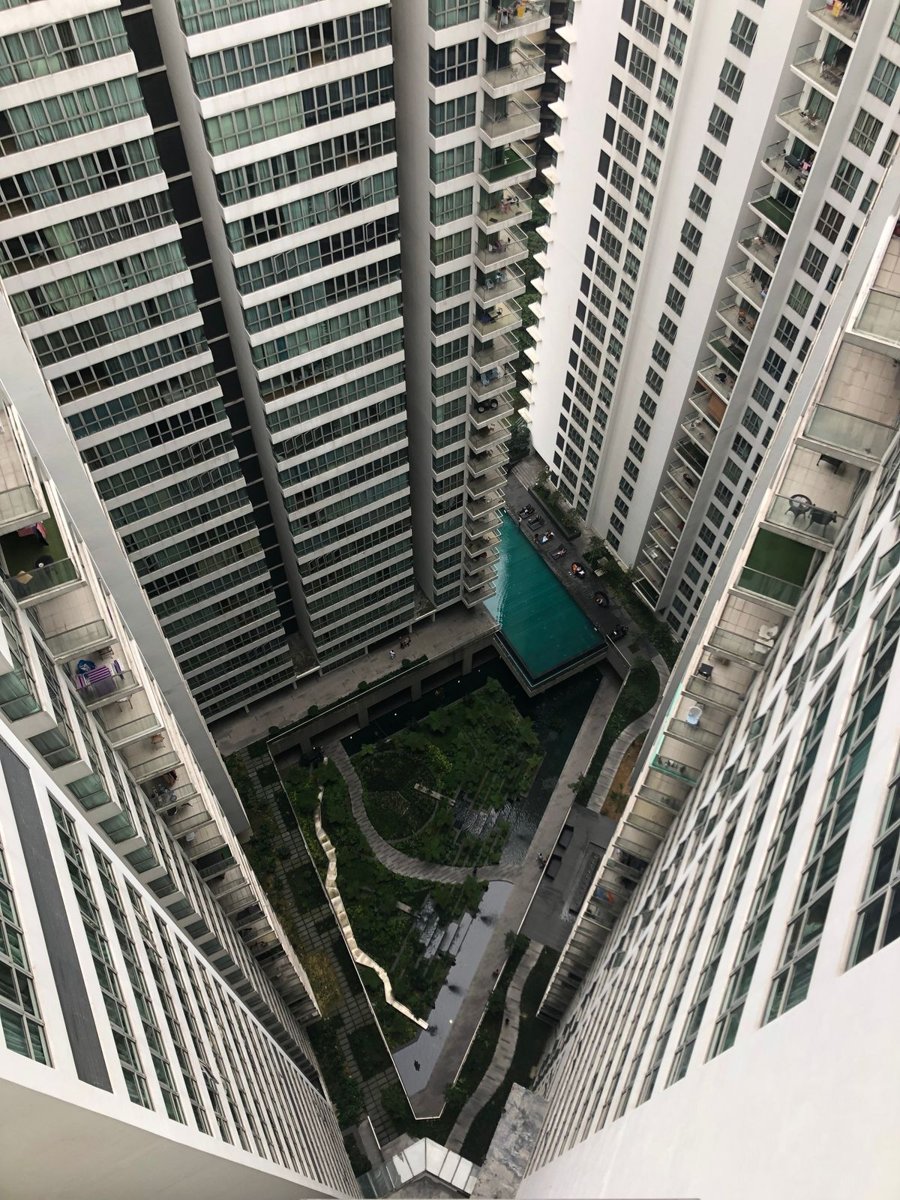
Melawati: hillside calm with a car-shaped commute
Taman Melawati has a long reputation as an established, greener neighbourhood at the foot of the hills, with the zoo and a well-known stretch of eateries nearby. Newer condo projects have been arriving at the edges, which brings modern facilities to an area that used to be mostly landed homes.
The trade-off is transport. Most residents drive, and the main roads into the city can crawl at peak hour. Test the route on a weekday morning before you fall for the view. When reading notes on a newer residential project near Melawati, put the commute times you measured beside the ones in the marketing. Depending on the exact address, Melawati units may also fall under the Ampang Jaya council rather than DBKL, which affects assessment rates and who you call about local issues.
Setapak and Setiawangsa: rail lines change the maths
Setapak is busy, practical and full of colleges, which keeps rental demand steady and the streets lively. Launch material such as the developer’s main project page often leans on that rental story, so check it against real vacancy levels in nearby buildings. Setiawangsa next door feels calmer, with established terrace neighbourhoods and newer high-rises closer to the main roads. The big advantage of this side of town is rail access along the LRT corridor, which can turn a painful drive into a predictable ride.
Check MyRapid’s route and station information for the actual walking distance from any project to the nearest station, and whether there are feeder buses. Five hundred metres in a brochure can mean a sweaty uphill walk in real life.
A plain explainer from RinggitPlus on loan basics, useful before you start comparing monthly instalments.
Fees, councils and the paperwork nobody mentions
Condo costs do not stop at the monthly instalment. Maintenance fees and sinking funds vary widely between buildings, and a low fee in year one can climb once the developer hands over to the management body. Ask for the proposed budget and what it covers.
Local plans matter too. Kuala Lumpur City Hall publishes planning information that shows what is zoned around a site. A quiet field beside a tower today might be another tower in five years. Look at land use around the project before assuming the view is permanent. When you read a Setiawangsa-facing project write-up, compare its access claims with your own walk to the platform, which is the test that counts.
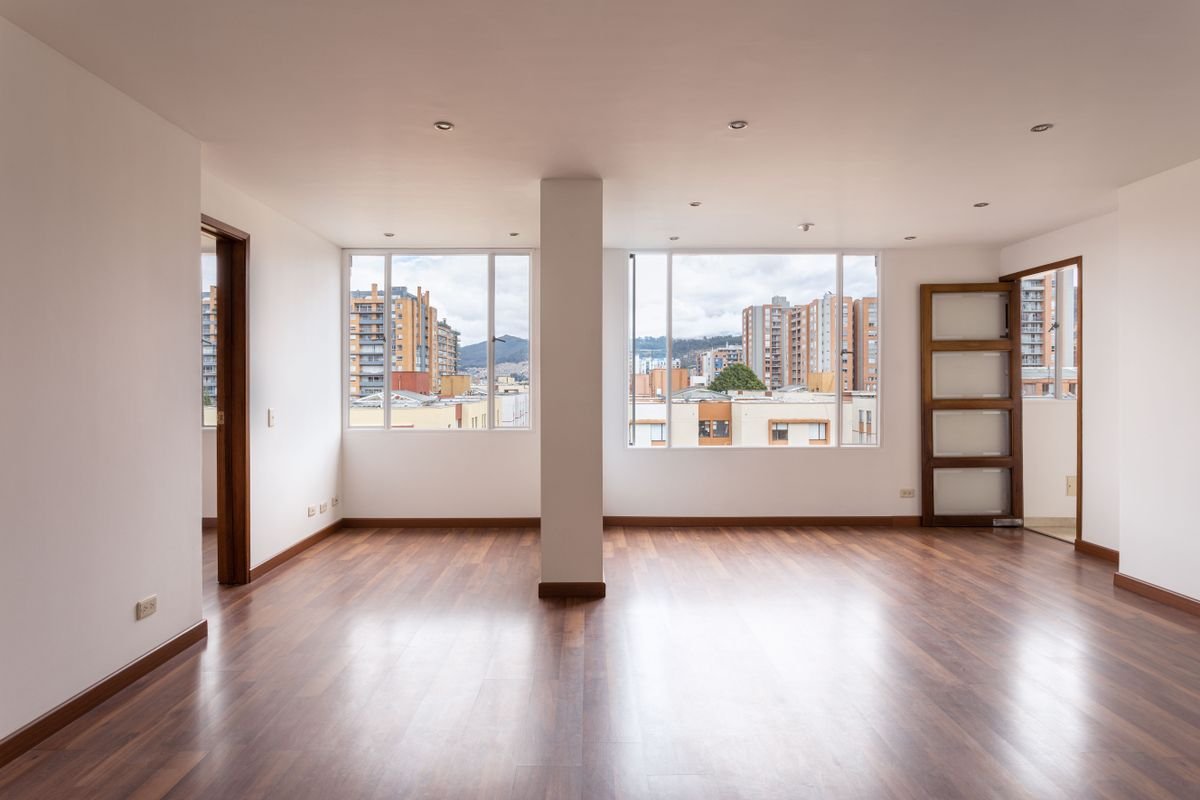
Also note the title type, the expected completion date and whether the unit is leasehold. These details affect resale and loan terms long after the excitement of the launch fades.
If the project is still under construction, ask about the developer’s track record on earlier buildings. Visiting a completed project by the same team, and chatting with a resident or two, often tells you more about future maintenance than any show unit.
Compare on one sheet of paper
Make a simple table with the three areas across the top. Down the side, list commute time at 8am, distance to rail, monthly fees, council, nearby schools and the noise you heard on your visit. Fill it in after you have actually been there, at least once on a weekday and once at night.
Most buyers find that one row ends up mattering far more than the rest. For some it is the train, for others the hills or the price per square foot. Knowing which row is yours makes the choice between Melawati, Setapak and Setiawangsa much easier.