
Temperature bands that cold chain must hold
Cold chain logistics is not a single fridge on wheels. Food, supplements, dairy alternatives, and certain healthcare-adjacent goods sit in different temperature bands, and each band has its own packaging and monitoring expectations. Chilled goods often target roughly 2 to 8 degrees Celsius, while frozen lanes sit well below zero. Ambiguous labels such as “keep cool” create disputes when a parcel feels cool to the hand but sat above the validated range for hours. Shippers should write the band into the booking notes and the carton marking, then confirm the carrier’s lane can hold it end to end across hubs and the final drop.
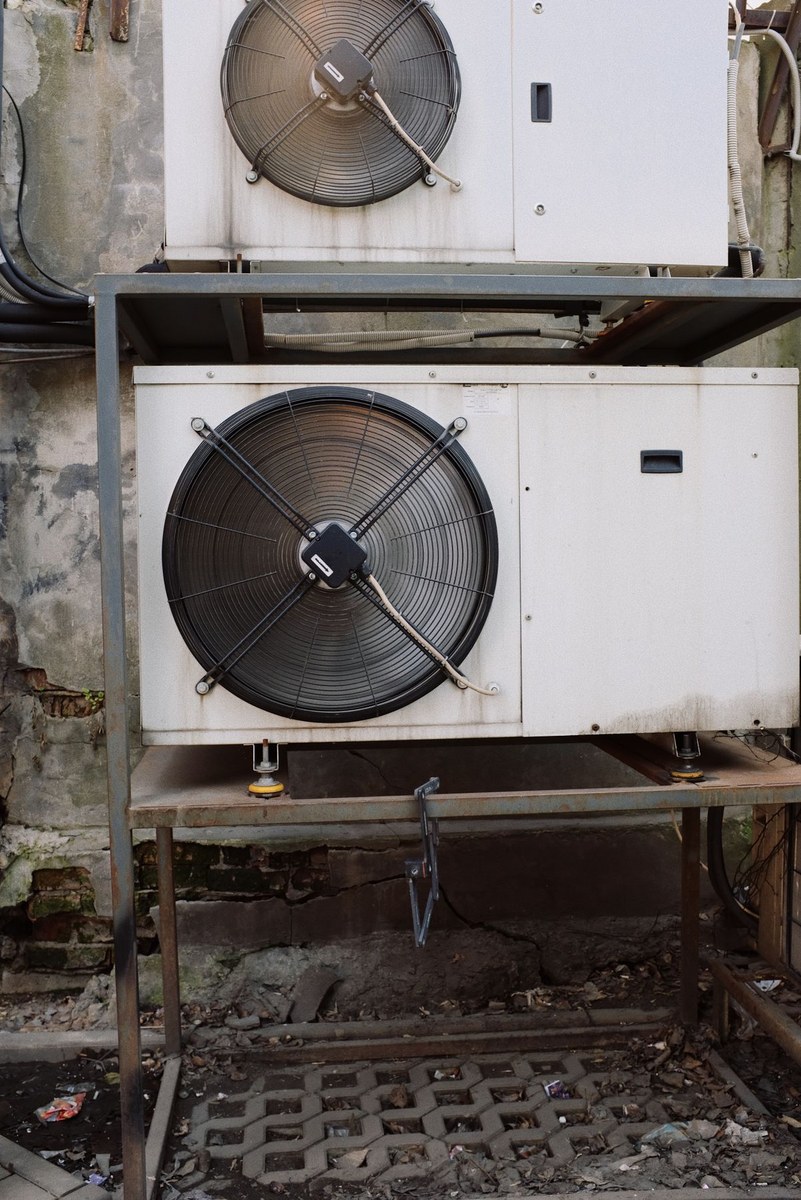
The World Health Organization publishes widely cited cold chain principles for temperature-sensitive goods, and FAO food safety materials emphasise temperature control for perishable products in distribution. Malaysian health and food safety public pages likewise stress hygiene and temperature discipline for goods that spoil quickly. Those references help procurement teams ask precise questions instead of accepting a generic “cold” checkbox on a rate card.
Before contracting volume, map each SKU to a band and to a maximum allowed time out of refrigeration. If that number is unknown, laboratory or supplier validation should come before marketing a nationwide chilled promise.
Where last-mile heat spikes usually appear
Heat spikes cluster at handover points: origin staging without shade, hub docks at midday, motorcycle bags in open traffic, and the final apartment lobby wait. Even a well-refrigerated linehaul can lose margin if the last mile uses an uninsulated bag during peak afternoon sun in the Klang Valley. Ask how exceptions are handled when a recipient is unavailable, because a second delivery attempt can double exposure time. Material on cold chain logistics Malaysia is most useful when read beside your own product’s validated time-out-of-refrigeration limit.
Instrument a pilot with temperature loggers on a sample of cartons before full volume. Data from twenty sealed trips across rainy and hot afternoons often teaches more than a slide deck about “continuous cold”. Review spikes by hub and by time of day so staffing and dispatch windows can change.
Packaging and handoff rules for chilled goods
Gel packs, phase-change materials, insulated liners, and outer cartons must be matched to season and dwell time. Overpacking with frozen bricks can damage chilled chocolate or produce; underpacking fails in open-vehicle traffic. Train pickers to close cartons fully and to avoid leaving staged totes in sunlit corridors. For multi-stop routes, load sequence should keep longer-dwell stops from baking early drops. Label orientation marks so gel packs stay above or beside product as designed, not crushed underneath.
Recipient handoff scripts matter. Building security desks that leave parcels in warm rooms undo careful linehaul work. Share clear receiving instructions with B2B consignees and note who is authorised to sign. For residential drops, consider time windows that avoid the hottest hours when product risk is high.
When fulfillment warehousing sits beside cold lanes
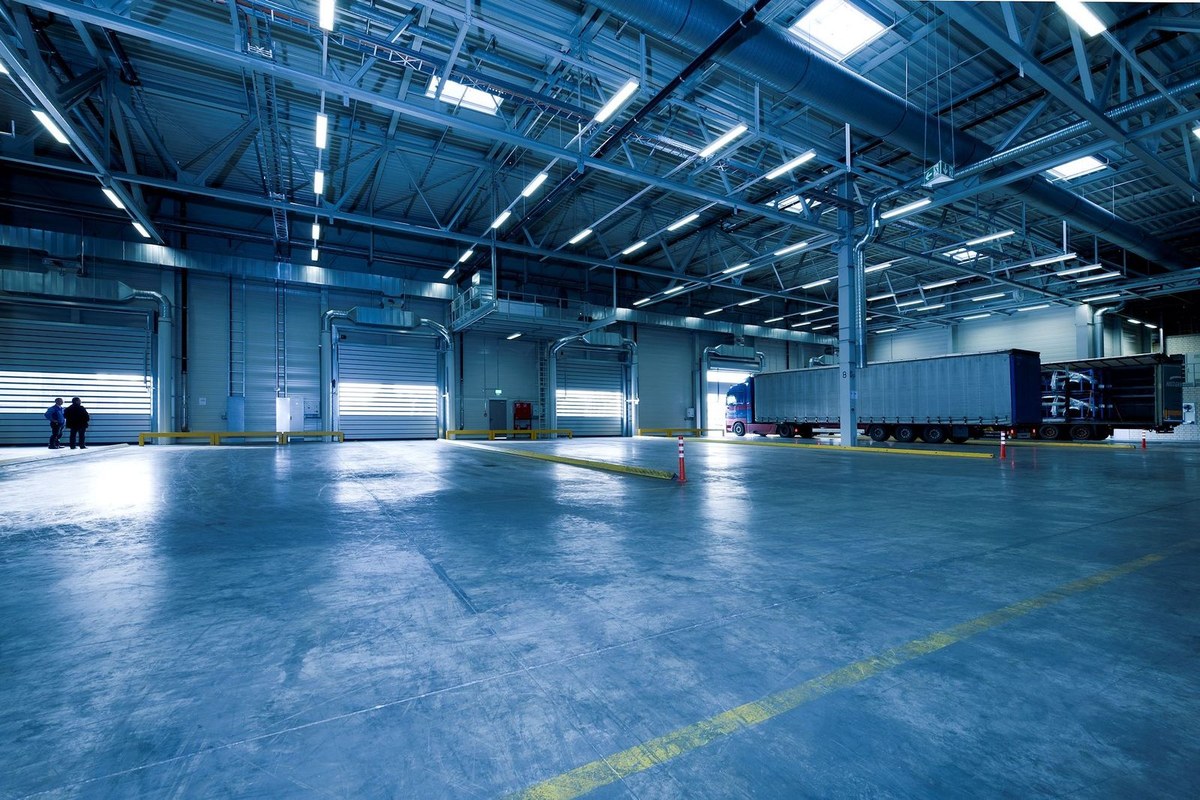
Some brands need ambient pick-and-pack for accessories beside chilled SKUs. That mix is workable only when zones, scanners, and SOPs stop ambient stock from entering cold totes by mistake. Pages covering fulfillment warehousing services should be evaluated on slotting rules, cycle-count frequency, quarantine for damaged cold packs, and how returns of temperature-sensitive goods are handled without re-entering sellable stock blindly.
General parcel delivery capacity remains relevant for non-cold lines in the same catalogue. Keep service-level agreements separate so a delay on ambient fashion stock does not hide a cold-chain breach on food. Shared customer service scripts should route cold exceptions to a trained queue.
Questions shippers should ask before go-live
Ask for the validated temperature band per lane, logger sampling policy, exception SMS or email rules, weekend dock coverage, and claim documentation required after a suspected breach. Request a written definition of “on time” that includes temperature compliance, not only scan timestamps. Run a two-week pilot before festive peaks. Keep a simple incident log so patterns in one hub become visible early. Revisit packaging when seasons change, because a configuration that works in November rain may fail in March heat.